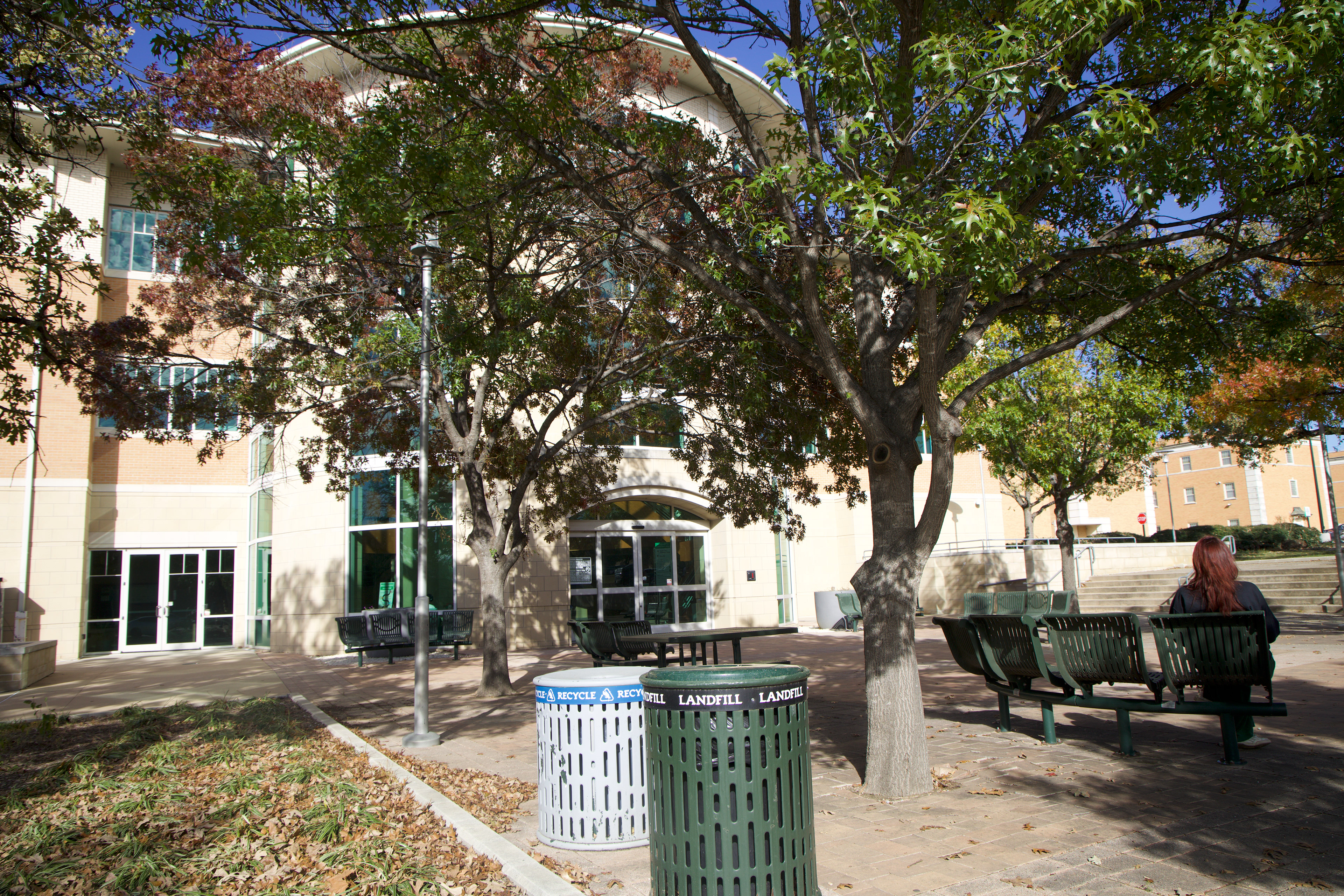
Chestnut Hall is home to UNT’s Counseling and Testing Services, where many students face long
waits for mental health appointments. Connor Croucher
In North Texas, seeking mental-health care can mean navigating a system full of delays and barriers — long waitlists, insurance plans few providers accept, limited transportation options, and provider burnout. For some students and residents already struggling, the hardest part isn’t asking for help — it’s reaching care before their situation becomes a crisis.
For Spencer Mark, a North Texas resident, each attempt to find care has required sorting through clinics with long waits, offices that do not accept his insurance, and specialists who stop taking new patients with little notice. His experience mirrors challenges described by others across the metroplex — a process often marked by delays, uncertainty, and repeated restarts.
“Some days it feels like finding help is a full-time job,” Mark said. “You’re already struggling, and then you have to chase down openings, paperwork, insurance — all of it. It wears you down before you ever get to the actual treatment.”
On the provider side, those delays are the result of a strained system. Denee Canady, a therapist in North Texas, said cost and insurance barriers are among the biggest factors keeping people from receiving care. The gap between provider rates and insurance reimbursement often forces clinics to stop taking certain plans altogether.
“One of the biggest hindrances for people seeking mental health care is insurance and the lack of affordable healthcare,” Canady said. “People assume having insurance means you can get care, but that’s not always true,” Canady said. “Even with coverage, the deductibles or session fees can be so high that people just give up before they start.”
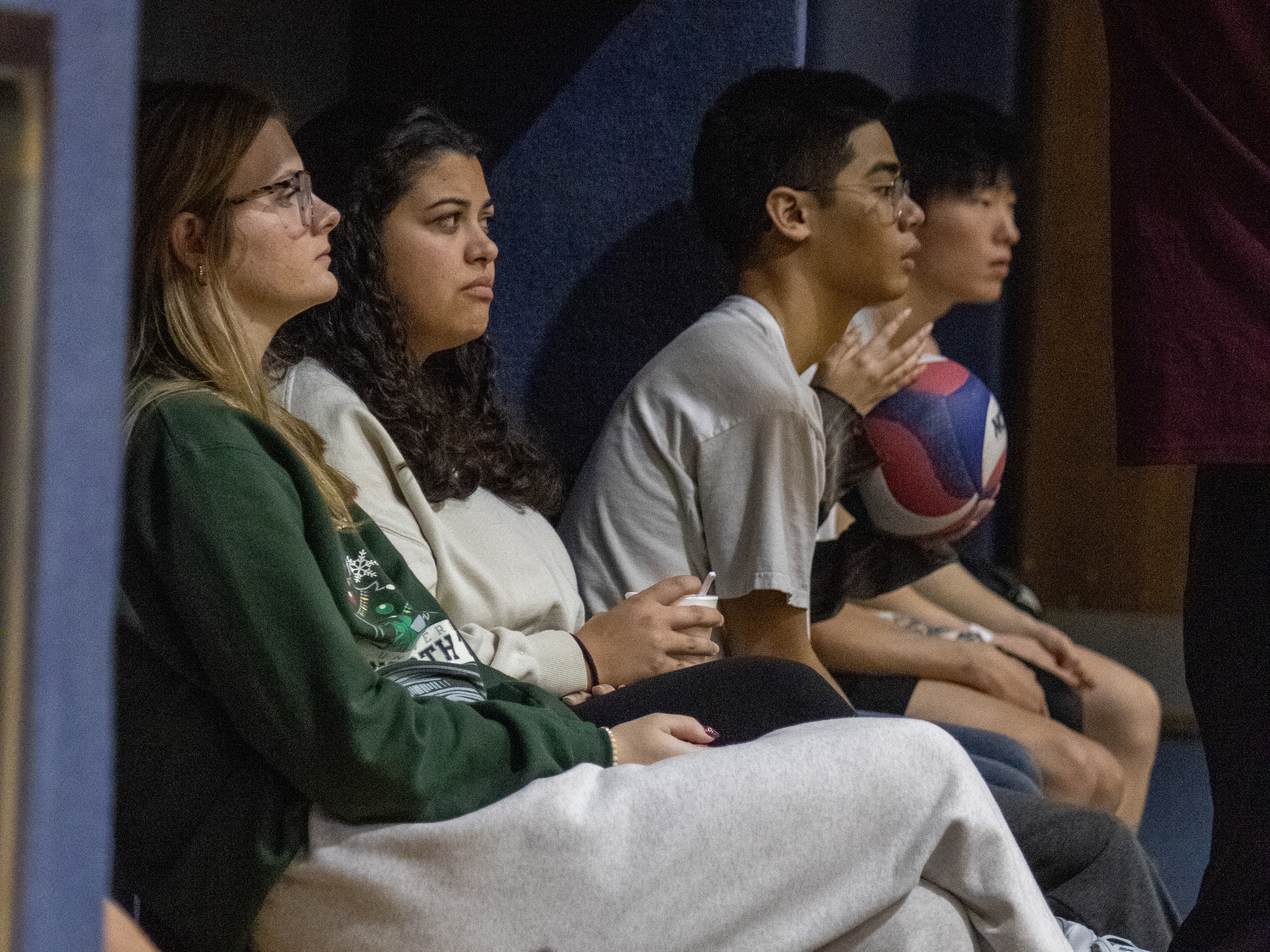
At the University of North Texas, some students say they face many of the same barriers. Campus counseling services are one of the first places students turn, but demand has soared in recent years as more students seek access to mental health care. The result has been longer delays and inconsistent access to therapists, according to Dalia Chowdhury, a UNT professor and provider.
A UNT student who requested anonymity because of privacy concerns said even campus resources come with major hurdles, especially long waits at the Student Counseling and Testing Center. Students are often limited to short-term counseling and may be referred off campus for long-term or specialized care — a process that can take weeks to complete, the student said.
“It feels like every time I finally get close to getting help, something falls through, or the wait ends up being weeks long,” the student said. “When you’re already overwhelmed, waiting that long makes you feel like the system isn’t built for students who really need support right now.”
Students who rely on university insurance can also struggle to find in-network providers nearby, leaving many to pay out-of-pocket or delay care, according to Chowdhury.
As demand grows, providers are struggling to keep up. Some mental-health professionals have left the field entirely, contributing to widespread shortages across Texas.
“One reason we are seeing a decline in counselors is due to the sheer demand for therapy needed,” Chowdhury said. “Many people view this profession as a typical 9-5 job; however, it is more like a 12-13-hour-a-day job. Counselors and therapists get burned out, and as a result, we have seen fewer and fewer providers.”
In college communities, fewer therapists means fewer appointment slots, especially during peaks like midterms and finals, when students are already at higher risk of crises.
She said another barrier often goes unnoticed.
“One reason people struggle to get mental health care that is not talked about is the struggle to get transportation,” she said. “Many people do not have a car or a way to get somewhere to get care. I think this is something that many people do not account for.”
Students at UNT often rely on buses or rideshares to seek off-campus counseling when referrals are required — costs that can add up quickly.
Chowdhury said burnout is intensified by the hidden hours counselors spend outside scheduled appointments.
“Many people do not count on the outside time of work that we as providers have,” she said. “We count in the client’s time, but we do not count in the paperwork time that a counselor has to do. Without the proper paperwork, the insurance will not pay you back the money.”
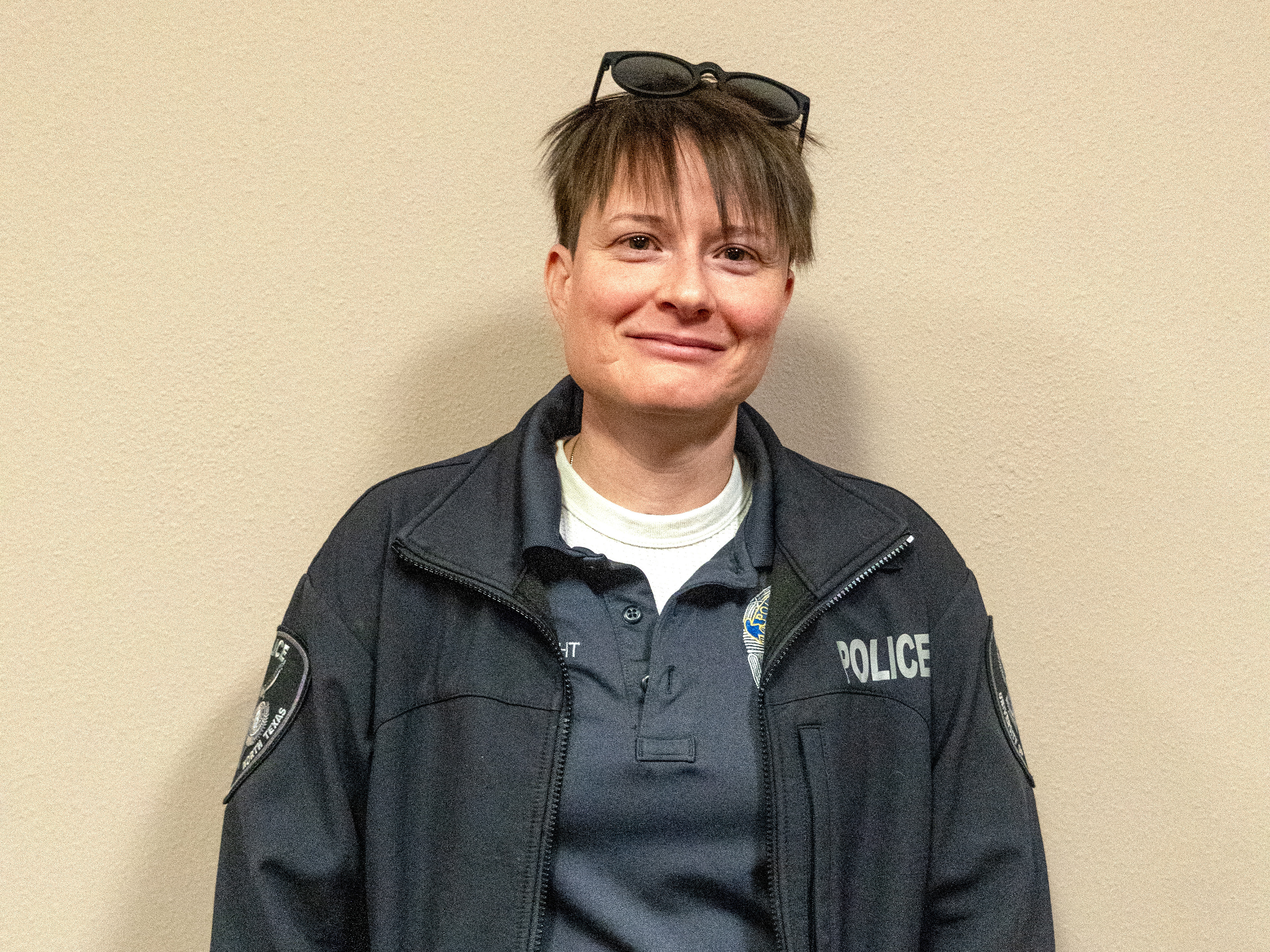
When access is delayed, the consequences can be serious. Students experiencing mental-health crises may end up in emergency rooms or campus police custody, not because they want acute care, but because it is the only help available immediately, according to Chowdhury.
“The only thing that can kill a healthy body besides accident, disease, etc., is a mental health crisis,” she said.
Across Texas, most counties are designated Mental Health Professional Shortage Areas, leaving provider capacity far below community needs. Emergency rooms across DFW frequently serve as a last resort for those who cannot secure outpatient care before their conditions worsen.
New clinics, telehealth programs, and regional hiring initiatives have expanded access in parts of North Texas, but these efforts haven’t kept pace with demand — especially among college-age residents.
For Mark and others seeking stability, the challenge isn’t finding the willingness to get help — it’s getting through a system that feels like it is always one step behind.
“I know help exists,” Mark said. “I just don’t know how many more times I can start over to reach it.”

Connor Croucher
Connor Croucher is a Mayborn School of Journalism student with a concentration in digital and print with a minor in communication studies. He is a freelance journalist who has covered many sporting events. He is interested in working in the sports journalism field. Croucher will graduate in Spring semester 2026.